
Faith-Based Early Learning Books: Building Values Early
- Greg Cross
- Apr 21
- 4 min read

When I think about the early years of a child’s life, I see a precious window of opportunity. It’s a time when little hearts and minds are wide open, ready to absorb the world around them. This is why faith-based early learning books hold such a special place in nurturing values that last a lifetime. These stories gently plant seeds of kindness, love, and faith, helping children grow with a strong moral foundation.
In this post, I want to share how these books can be a warm, inviting tool for parents and educators. Together, we’ll explore why faith-based stories matter, how they build character, and practical ways to bring them into your daily routine. Let’s dive into this joyful journey of faith and learning.
Why Faith-Based Early Learning Books Matter
Faith-based stories are more than just tales; they are guiding lights. They introduce children to the beautiful teachings of God in a way that feels natural and comforting. When children hear stories about love, forgiveness, and hope, they begin to understand these values deeply.
For example, a simple story about the Good Samaritan can teach empathy and kindness. When children see characters helping others, they learn to do the same in their own lives. These stories create a safe space where children can ask questions and feel connected to something bigger than themselves.
Moreover, faith-based books often use gentle language and colorful illustrations that capture a child’s imagination. This combination makes learning about faith an exciting adventure rather than a lesson. It’s like planting a garden of values that will bloom beautifully as children grow.

Faith-based books open the door to learning values through engaging stories.
Choosing the Right Faith-Based Early Learning Books
Selecting the perfect book can feel overwhelming with so many options available. But focusing on a few key qualities can make the process easier and more rewarding.
Age-Appropriate Language: Look for books that use simple, clear words. Young children (ages 3-7) benefit from short sentences and familiar vocabulary.
Engaging Illustrations: Bright, friendly pictures help children connect with the story and remember the lessons.
Positive Messages: Choose stories that emphasize love, kindness, honesty, and faith in God.
Bilingual Options: For families wanting to nurture faith in two languages, bilingual books are a wonderful choice. They support language development while sharing God’s teachings.
One practical tip is to read the book yourself first. This way, you can prepare to discuss the story and answer any questions your child might have. You might even find a favorite story to revisit again and again.
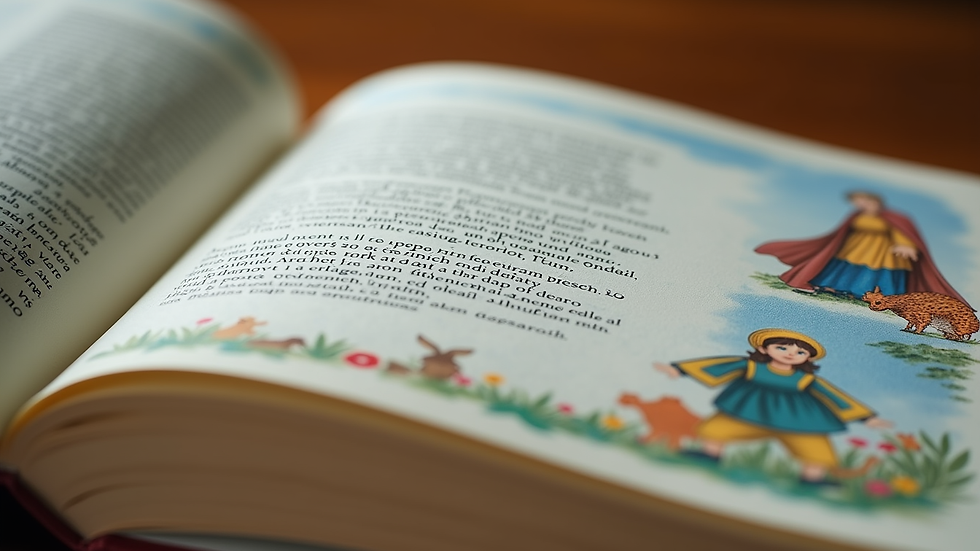
Bilingual faith-based books help children learn values and language simultaneously.
How Faith-Based Stories Build Character
Stories have a magical way of shaping who we are. When children hear about characters facing challenges with faith and courage, they learn to do the same. Faith-based stories often highlight virtues like patience, gratitude, and forgiveness.
For instance, a story about Noah’s Ark can teach children about obedience and trust in God’s plan. When children see Noah’s faith during a storm, they learn that faith can be a source of strength in difficult times.
These stories also encourage children to reflect on their own actions. After reading, you might ask gentle questions like:
What would you do if you were in the story?
How did the character show kindness?
Can you think of a time when you helped someone?
This kind of conversation helps children internalize the values and apply them in real life. It’s a beautiful way to nurture a heart that loves and serves others.
Bringing Faith-Based Stories into Daily Life
Incorporating faith-based books into your daily routine doesn’t have to be complicated. Here are some simple, practical ideas to make storytelling a joyful habit:
Create a Special Reading Time: Set aside a cozy moment each day for reading together. This could be before bedtime or during a quiet afternoon.
Use Storytelling as a Conversation Starter: After reading, talk about the story’s message and how it relates to your child’s experiences.
Involve Your Child: Encourage your child to retell the story in their own words or draw pictures about it.
Connect Stories to Real Life: When you see acts of kindness or moments of patience, remind your child of the story you read.
Explore Bilingual Books: If you’re raising bilingual children, alternate reading in both languages to strengthen faith and language skills.
By weaving these stories into everyday moments, you create a loving environment where faith and values grow naturally.
The Joy of Sharing Faith-Based Stories Together
One of the most rewarding parts of reading faith-based books is the connection it builds. These stories open doors to meaningful conversations and shared experiences. They invite children to feel loved and supported as they explore their faith.
I’ve found that when children see adults excited about these stories, they become eager to learn more. It’s like passing on a treasured family tradition that brings warmth and hope. Whether you’re reading a story about God’s love or a tale of courage, you’re nurturing a spirit that will shine brightly.
If you’re interested in exploring a wonderful collection of Christian picture books designed especially for young children, I encourage you to visit Greg Cross Books. Their delightful stories are crafted to share faith, love, and God’s teachings with families everywhere.
Faith-based early learning books are more than just stories. They are gentle guides that help children build a foundation of values that will support them throughout life. By choosing the right books and making storytelling a joyful habit, you’re giving children a precious gift - a heart full of faith and love.
May your journey with these stories be filled with warmth, wonder, and endless blessings.



Comments